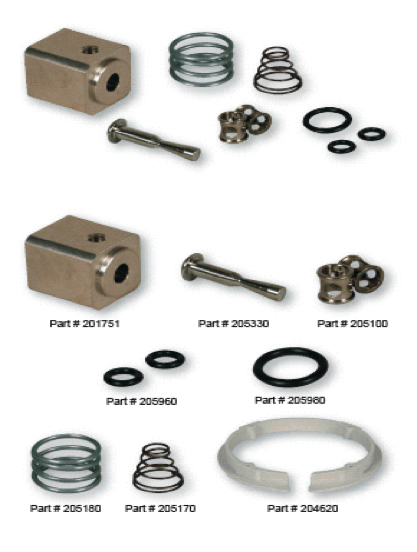
When a machine goes down and the OEM no longer manufactures a replacement part, production can quickly be impacted. Waiting for a distributor to locate obsolete components can also take weeks or even months.
Reverse engineering allows manufacturers to restore equipment without replacing an entire machine. At New Ulm Precision Tool, a division of The Specialty Mfg. Co., we use reverse engineering as a practical solution when original drawings have been lost, the original supplier is no longer in business or a component has been discontinued without a direct replacement.
When Reverse Engineering Makes Sense
Replacing an entire machine can be a significant capital expense. Reverse engineering often provides a more cost-effective way to extend the life of existing equipment while maintaining production capabilities. Our engineering team commonly recommends this approach when:
- The Machine Still Meets Production Needs
- Older equipment can outlive its OEM support window. If a machine continues to provide the required performance and production capacity, replacing a worn component is often far more economical than investing in new equipment.
- The Part Has Been Discontinued
- When a manufacturer stops producing a component, available inventory eventually becomes difficult – or impossible – to find. Reverse engineering provides a dependable alternative, eliminating the uncertainty of searching for obsolete parts that may no longer be available.
- The Original Design Can Be Improved
- In some cases, our engineers do more than simply replicate a component. Material upgrades or design modifications can improve durability and extend service life beyond the original specification.
The Reverse Engineering Process
The reverse engineering process begins with the physical component. Our team carefully measures, documents and analyzes the existing geometry to create an accurate, manufacturable specification.
This technical process involves several key phases:
- Component Inspection
- The part is meticulously measured and examined for critical tolerances, wear patterns and material characteristics.
- Drawing or Model Creation
- Our engineers create a detailed drawing or 3D CAD model based on the physical measurements collected during inspection.
- Material Selection
- We select the material best suited for the application. Common options in our facility include tool steels, carbide and a variety of high-performance engineering plastics. When beneficial, material upgrades may also be recommended to improve long-term performance.
- Precision Machining
- The component is machined to the documented tolerances, with quality inspections performed throughout the manufacturing process to ensure accuracy and consistency.
At New Ulm Precision Tool, reverse engineering is one of our core capabilities. We routinely manufacture replacement components for complex molds, stamping dies, automated machinery and prototype assemblies. When original drawings are unavailable, we can work directly from the existing part.
Contact New Ulm Precision Tool to Learn More
Tracking down obsolete industrial parts does not have to mean weeks of production delays or prematurely retiring equipment that still has useful service life remaining. Reverse engineering remains a proven and effective way to restore functionality and keep operations moving.
New Ulm Precision Tool operates as a division of The Specialty Mfg. Co., a manufacturer backed by over a century of engineering and manufacturing experience. Our engineers work directly with procurement professionals and plant managers to accurately evaluate broken components, produce prints and machine reliable replacements directly to specification.
Contact New Ulm Precision Tool today to discuss your application and learn whether reverse engineering is the right solution for your equipment.