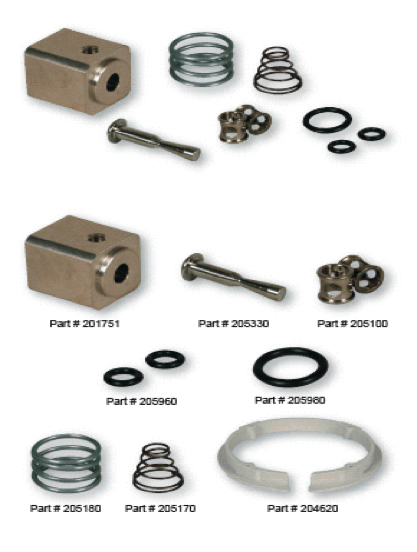
From aerospace and automotive hoses to dental instruments to firefighting equipment and beyond, valves are critical for controlling fluid flow, pressure and speed. The shape and dimensions are an important aspect of design, but material choice matters too. When incompatible materials are used for valve bodies and seals, components can break down more quickly, leading to leaks, reduced performance or even equipment failure. Some of these failures are less readily apparent than others, such as when products or water is contaminated due to chemical reactions between materials.
This guide looks at what engineers and designers need to consider about material compatibility for valve systems, including material choice, physical stress, regulatory compliance, and a comparison of plastic and metal materials for valve bodies. It’s important to note that the considerations and suggestions offered here are starting points, and not a guarantee of success with specific applications.
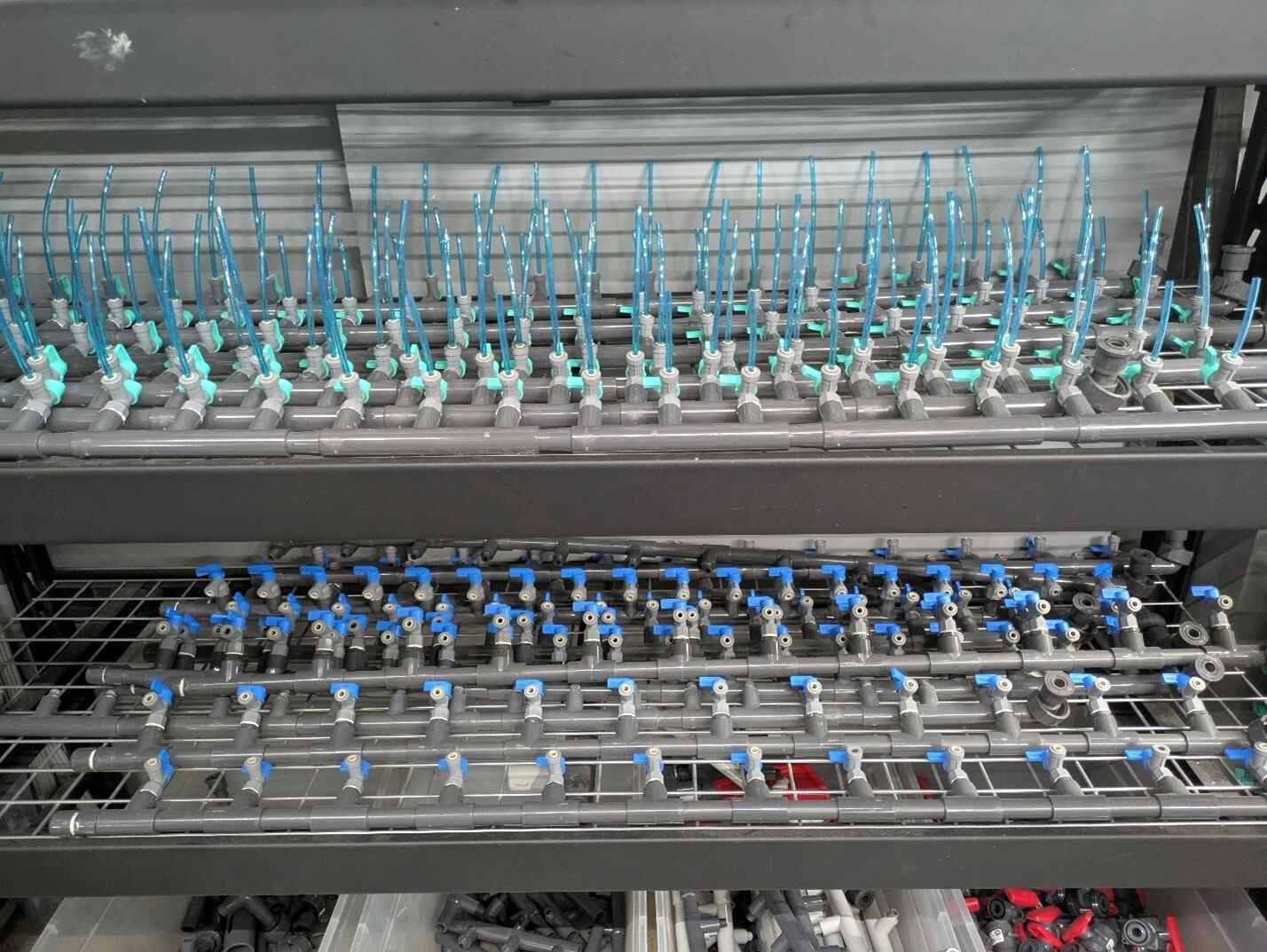
Selecting Valve Materials that are Chemically and Physically Compatible
It’s best to develop a reliable process for how to assess the chemical compatibility of different valves (e.g., body and seals) before making a purchase. Use this quick checklist to build the decision-making process.
Checklist for Compatible Valve Materials
Chemical Compatibility
- What is the nature of the fluid the valve interacts with?
- Is the fluid water-based, oil-based or a gas?
- Does the fluid have corrosive or other properties?
- Is the fluid acidic or alkaline?
- What additives, if any, are present?
- Are any additives acidic, caustic or corrosive?
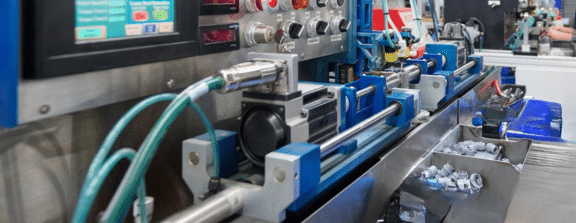
Physical Compatibility
- What are the flow and pressure requirements?
- What is the concentration of the fluid?
- What are typical operating temperatures?
- Is flow continuous or intermittent?
The answers to these questions can be used to identify potentially compatible materials confidently. For example, if a system handles corrosive chemicals and solvents, chemically resistant PTFE or PVDF may be options. For general applications that don’t have very corrosive chemicals, consider stainless steel. Stainless steel is also ideal for many high-temperature applications.

The answers to these questions can be used to identify potentially compatible materials confidently. For example, if a system handles corrosive chemicals and solvents, chemically resistant PTFE or PVDF may be options. For general applications that don’t have very corrosive chemicals, consider stainless steel. Stainless steel is also ideal for many high-temperature applications.
Physical Stress Assessment
While the fluid within the valve is the primary limiting factor, environmental conditions in and around the valve also affect which materials work best. Depending on the application, there will be different pressure levels, temperatures and other potential stressors. It’s important to account for these factors by determining:

The maximum necessary operating pressure, including pressure spikes or cycling loading.
The maximum and minimum temperatures throughout every stage of operation.
The likelihood of exposure to vibration and shock forces.
If, and to what extent, other components in the system will exert stress on the valve.
For example, high-pressure systems need specially reinforced materials to mitigate leaks or tears. Stainless steel can handle high-temperature environments as well as high-temperature fluids. Cryogenic stainless steels can also handle the cold temperatures that some pharmaceutical applications require, while brass can handle cold but less extreme temperatures.
Regulatory Compliance and Valve Material Selection
Many industrial applications also require valves that meet specific industry regulations or standards. Not only can non-compliant valves risk fines and penalties, but they also increase the possibility of breakdowns, contamination and safety hazards. Consult with internal legal, facility and operational teams to determine:

Which industry standards apply?
Which industry standards apply?
Drinking water applications require NSF-compliant valves, and food processing, beverage processing and pharmaceutical production require FDA-compliant valves.

What certifications does your organization hold?
What certifications does your organization hold?
For example, ISO certification may require your facilities to use certain materials and products.

What does the target market require?
What does the target market require?
Depending on the products and region in question, sellers, distributors and end-users may have legal requirements for particular materials.

What documentation is required?
What documentation is required?
Some industries and organizations must conduct fully transparent compliance auditing with material traceability requirements, and this will affect supplier options.
Choosing the Right Valve Body and Seal Materials
The valve body and seal must both remain unaffected by the fluid that passes through them, and the operating environment in general. If the materials react when exposed to any of these parameters, the risk of leaks or failure increases.
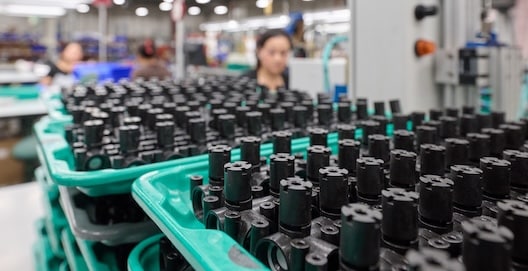
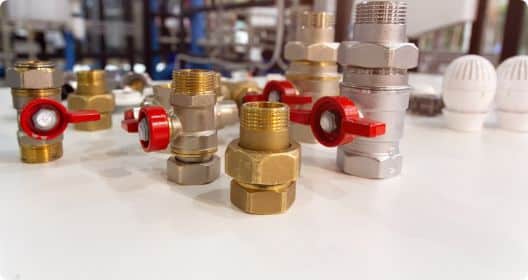
Valve body materials need to have the strength and chemical compatibility characteristics for the application. Both metal and plastic options are available, and some common materials include:
- Aluminum.
- Brass.
- Stainless steel.
- POM.
- Polycarbonate/PET and Polycarbonate/PBT blends.
- ABS.
- Polypropylene.
- PVC.
- PVDF.
- PA.
The sealing materials also make contact with the fluid and have exposure to the surrounding environment. In addition to chemical compatibility, it’s important to consider material properties, including compression set, wear resistance, temperature resistance and moldability with mating surfaces. As with valve body materials, regulatory requirements set by the FDA, NSF, or USP Class VI also outline compatible sealing materials for food, medical and potable water applications. Frequently used materials for industrial valve seals include:
- FEPM or TFE/P Fluoroelastomer: Highly chemically resistant, ideal for oil and gas applications and may outperform FKM.
- NBR: Resistant to oil and fuel.
- EPDM: Typically used for water-based applications, offers excellent heat and chemical resistance.
- FFKM: May be more costly, but works with almost all chemicals, including acids, bases, oxidizers and solvents.
- Silicone: Soft material for low-pressure sealing, ideal for food-grade, medical and pharmaceutical applications.
- PTFE: Low-friction, stable and inert (even in the presence of aggressive chemicals).
- FKM: Strong temperature and chemical resistance.
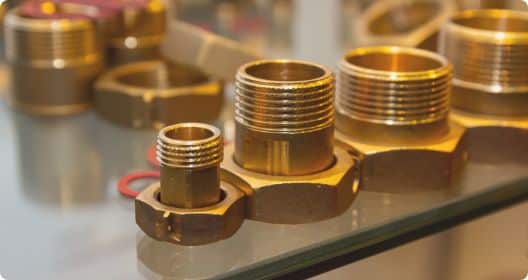
The valve body and seals are in constant contact, so they must be made of materials that are suitable for the application as well as compatible with each other. Mixed polymers and mixed metals can have adverse reactions when in contact with each other, which can cause leaks or other damage.
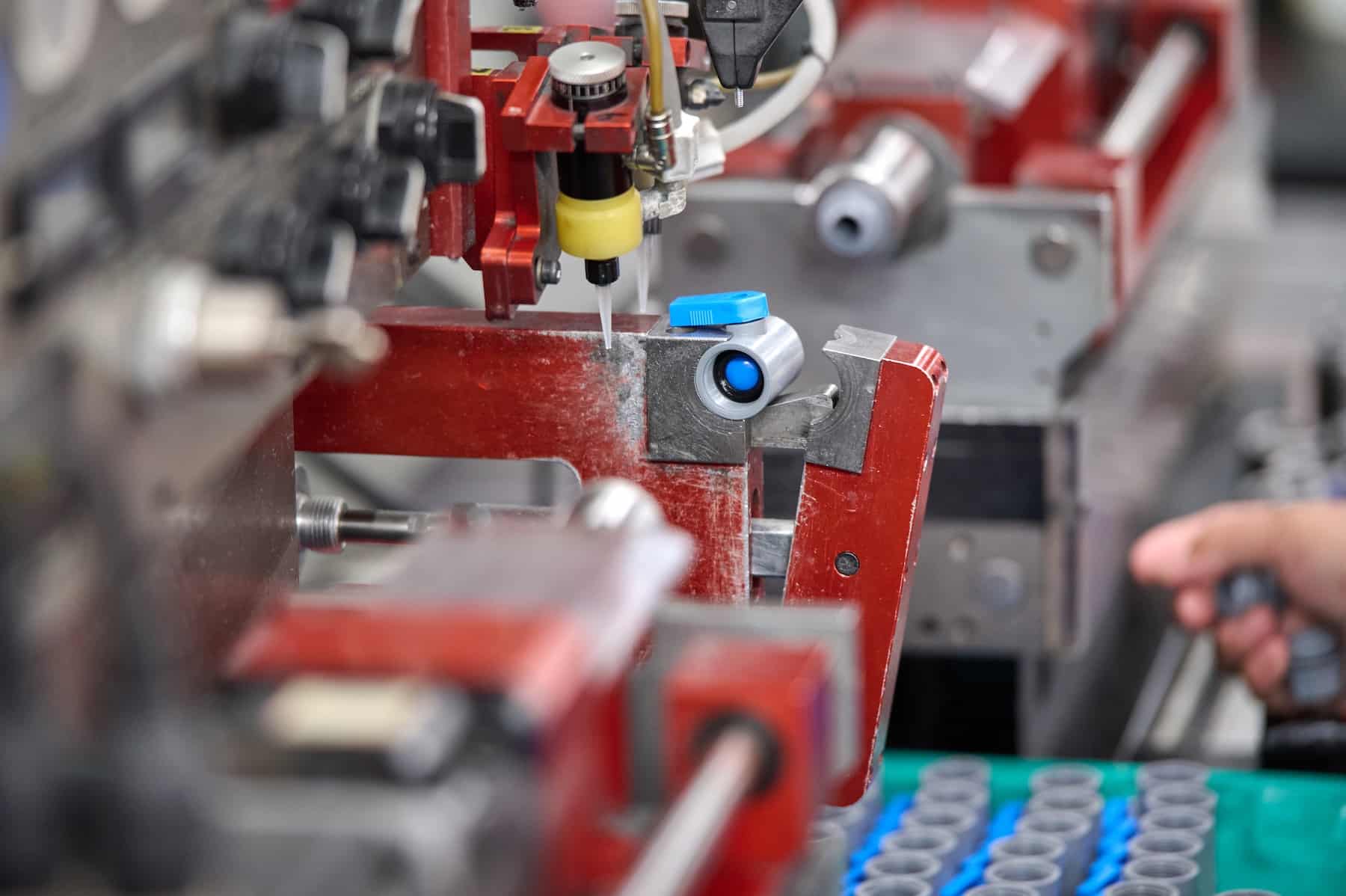
There are two broad material categories for valve bodies: metals and plastics. Metals are stronger, can handle greater pressures and temperature extremes, and are overall more durable. But specialty plastics are lighter, less vulnerable to corrosion and can be specifically engineered for use with specific aggressive chemicals. While many materials may be compatible with your fluid requirements, factors like long-term durability, price and weight restrictions should always be considered.
Need Help Choosing the Right Valve?
More Than a Valve Supplier: The Specialty Mfg. Co. Difference
Specialty Valve, a division of The Specialty Mfg. Co., provides engineering support services and custom solutions in addition to a large selection of valve components. In our 125-year history, we’ve partnered with each of our customers to deliver hardworking components for commercial and industrial systems. Today, we’re a vertically integrated, US-based manufacturer with complete carbon transparency. We work with the telecommunications, automotive manufacturing, mining, agricultural and other industries. We are ISO 9001:2015-certified, and we’re committed to meeting and exceeding regulatory standards set by RoHS and REACH.
Questions? Contact Our Valve Specialists Today
Contact us today to discuss your application and suitable material options for it.